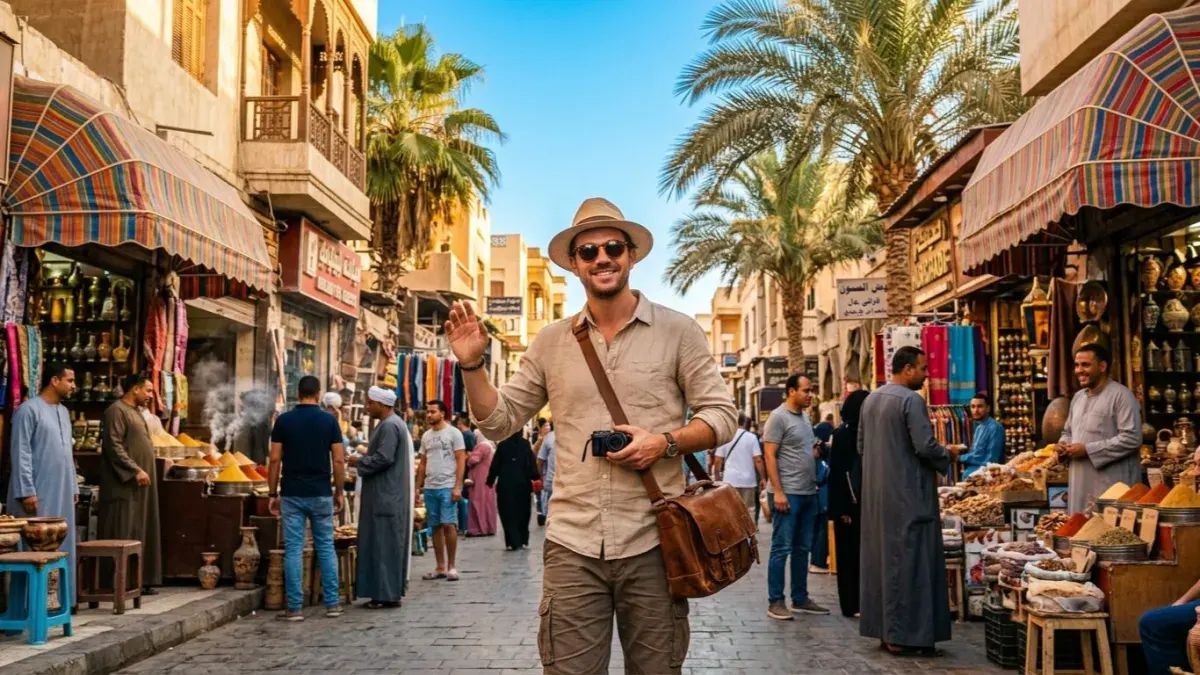
Egypt Tourist Scams and How to Avoid Them (and Shopping-Stop Traps)
Let's get one thing straight before we start: Egypt is a wonderful, warm, endlessly fascinating country, and the vast majority of people you meet will be lovely. But we'd be doing you a disservice if we pretended that every corner of the tourist trail was free of chancers. Wherever there are millions of visitors and a lot of cash changing hands, a handful of people will try to get a bit more of it out of you than they should. Egypt is no different from Barcelona, Bangkok or Blackpool in that respect.
The good news is that almost every scam in Hurghada, Luxor and Cairo follows the same few patterns. Once you can spot them, they lose their power, and you can relax and enjoy the pyramids rather than playing detective. Consider this your friendly field guide, written by people who live here and have watched the same tricks for years.
Why Egypt Scams Work (It's Not Because You're Gullible)
Here's the thing: nobody falls for a scam because they're daft. Scams work because you're tired, jet-lagged, a bit hot, and somebody is being very friendly at exactly the wrong moment. You've just stepped off a cruise ship or out of an all-inclusive bubble, you don't know what a taxi should cost, and a smiling stranger says "Welcome to Egypt, my friend!" It's a perfectly designed moment of vulnerability, and the people who work it have had plenty of practice.
The antidote isn't suspicion of everyone. It's preparation. Know the usual prices, know the usual tricks, and decide in advance what you'll say. A confident "no, thank you" with a smile is the most powerful phrase in the Egyptian tourist's vocabulary.
The Classic Scams You'll Actually Meet
1. The "Closed Today" Trick
A friendly man tells you the attraction you're heading for is closed today, for a religious holiday, a cleaning day, or some mysterious reason, but luckily his cousin can take you somewhere even better. The place is, of course, open. The "somewhere better" is a perfume shop or papyrus gallery. Always check opening hours yourself, ideally on the official site of the attraction or with your hotel reception, and never take a stranger's word for it.
2. Taxi Meters That Mysteriously Don't Exist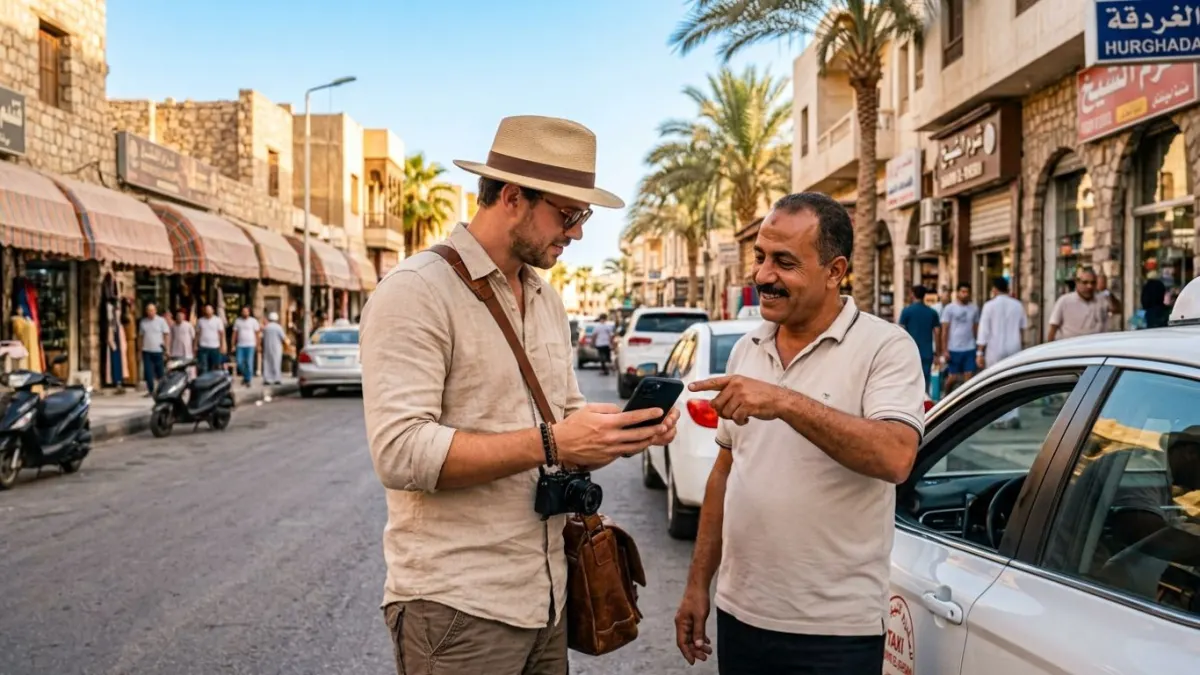
Agree the price before you get in. Always. Not at the end, not "we'll see", but before the door closes. Ask your hotel what a fair fare looks like for your journey, and if a driver says "same price for everybody, don't worry", that is precisely the moment to worry. Ride-hailing apps such as Uber and Careem operate in several Egyptian cities and show the fare upfront, which removes the negotiation entirely.
3. The "Free" Camel Photo
Someone places you on a camel, or drapes a scarf around your head, snaps your photo, and hands you the phone back with a smile. Then comes the invoice. Nothing is free, and nothing is ever "just for a picture". If you want the camel ride, lovely, ask the price first and agree it before you climb on. If you don't, keep your hands in your pockets and your phone in your bag.
4. The Bait-and-Switch Excursion
This is the big one for Hurghada visitors. A street seller or "hotel representative" offers a Luxor trip or a boat day at a price that seems too good to be true. It is. The "bargain" turns out to come with a 4 a.m. start, a shared minibus with thirty strangers, an unplanned stop at three shops, and a list of extras once you're underway: entrance fees, lunch, the felucca, the guide's "tip". By the end, the cheap trip costs more than the honest one, and you've seen half as much.
5. The Helpful Stranger With a "Shortcut"
Whether it's at the Karnak entrance or in Cairo's old alleys, someone offers to guide you, just a few minutes, no charge. Ten minutes later you're being escorted into a shop, or asked for money. Polite refusal works. So does walking on with purpose, as if you know exactly where you're going, even if you absolutely don't.
6. The Short-Changing Shuffle
Egyptian pounds come in a lot of similar-looking notes, and when a shop is busy, a "miscounted" change is easy to slip in. Keep small notes handy, count your change, and avoid paying for a small item with a large banknote. It's a boring tip. It saves money.
The Sneaky One: The "Shopping Stop"
If we had to name the single most common irritation for visitors on group excursions in Egypt, it wouldn't be a pickpocket. It would be the shopping stop. You booked a day trip to see temples. You find yourself, for forty-five minutes, in a showroom full of alabaster vases, perfume oils and papyrus paintings, with a very persuasive gentleman explaining that this is "a government-approved workshop".
Why does it happen? Because many cut-price tours only make money through commissions. The driver or guide receives a cut of whatever you spend in the shop, and in some cases the operator has priced the trip so low that those commissions are the real income. That doesn't make everyone involved a villain, but it does mean your time is not the priority. You are the product being delivered to the shop.
The tell-tale signs are consistent. The itinerary says "optional stops" or "local experience" without being specific. The price is far below the rest of the market. The group is large, because large groups are more valuable to a shop. And the schedule is vague about how long you'll spend at the actual sights.
It's one of the main reasons we built Orient Discovery the way we did. Every one of our trips carries a strict, written 100% no shopping stops guarantee. If you want to buy a souvenir, we'll happily point you to somewhere honest and fair, on your schedule, and never because a commission demands it.
How to Spot a Fair Excursion Before You Book
You don't need to be an expert, you just need to ask the right questions. Before paying a deposit to anyone, find out the following:
Is the price all-inclusive? Entrance fees, lunch, drinks, guide, parking and transport should be clearly stated as included or excluded, in writing.
Is the vehicle private? "Private tour" in Egypt is sometimes used to mean "a small bus". Ask how many people will be in the car and whether it is air-conditioned.
Is the guide qualified? A properly trained Egyptologist is a different experience from a driver who also recites a script. Ask for the guide's qualifications.
What time will you be collected? A reliable operator gives you an exact hotel pickup time the day before, not "sometime in the morning".
Are there any stops that aren't sights? Ask the direct question: "Will we visit any shops, workshops or showrooms?"
What do other travellers say? Look for detailed, recent reviews that describe what actually happened on the day, not just a row of stars.
An honest operator will answer these questions plainly and happily. Evasive replies tell you everything you need to know.
Honest Prices and the Hidden-Fee Problem
Pricing is where most holiday frustration starts. A price that looks like €25 on a street corner has a habit of becoming €60 by the time the day is over. Hidden extras are the engine of the bait-and-switch, so look for operators who publish one transparent price covering everything that matters: transport, guide, entrance fees, lunch and bottled water.
It also helps to know what a trip genuinely involves. A day in Luxor from Hurghada is a long journey: you drive about four hours each way, tour two or three major sites, and have lunch. Anything that claims to do this for a rock-bottom price either cuts corners or recovers the money elsewhere, usually in a shop. Good value isn't the cheapest ticket; it's the one where there's no nasty surprise at the end.
Safety: Keep It Sensible, Not Scary
Scams and safety are different things, but they sit side by side in most travellers' minds, so let's address the second briefly. Popular resort areas such as Hurghada, El Gouna, Makadi Bay, Sahl Hasheesh and Soma Bay are used to millions of visitors, and the day-to-day experience for most travellers is calm and friendly. That said, official guidance changes. Before you travel, read the current advice for your country. British travellers can find the latest on the UK government's Egypt travel advice page, and it is worth rechecking a week before you fly.
A few commonsense habits cover most situations. Keep copies of your passport. Use the hotel safe. Drink bottled water. Don't flash large amounts of cash. Book transport through your hotel or a licensed operator rather than hopping into an unmarked vehicle. None of this is Egypt-specific; it's just good travelling.
Special Advice for Cruise Passengers in Safaga
If you're arriving by ship, you have two extra pressures: a ticking clock and a lot of tempting offers at the quayside. Dockside sellers know exactly how long your ship is in port and that you can't afford to miss the last tender. The best defence is to arrange your excursion before you arrive, with a company that guarantees to get you back on board in time. That way you can walk straight past the touts with a smile, knowing your driver is already waiting.
Our private shore excursion options from Safaga port are designed exactly for this: a named driver, a fixed price, an air-conditioned vehicle and a timetable that puts you back at the gangway with time to spare.
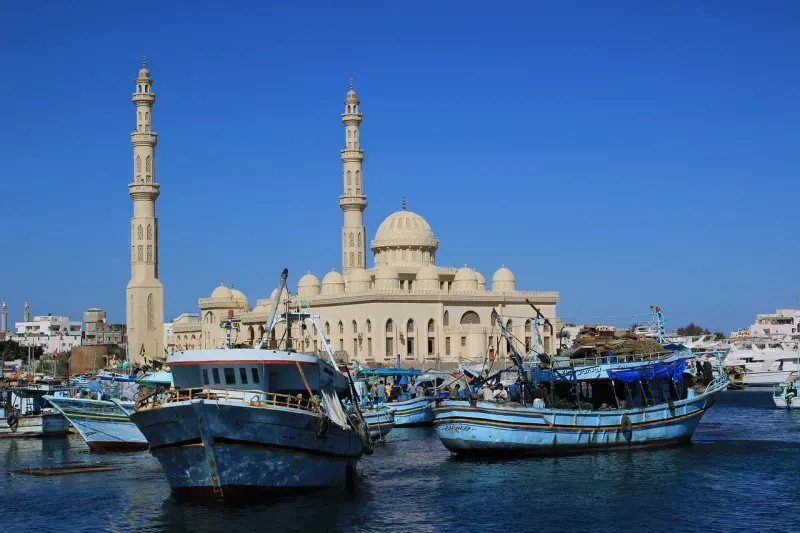
Private shore excursion to Hurghada & El Gouna from Safaga with a German-speaking guide. Discover the marina, lagoons & city highlights. Free consultation.
From
Spend Your Day on the Sights, Not on Defence
Here's the cheerful truth. The people who have the best time in Egypt are not the ones who treat every stranger as a threat. They're the ones who have arranged the important things in advance, so they can say hello to the friendly man selling tea, ignore the persuasive man selling perfume, and give their full attention to a 3,000-year-old temple.
That's the idea behind a private tour with a proper operator. Your hotel pickup is at an agreed time. Your vehicle is just yours, with air-conditioning that actually works. Your Egyptologist is there to explain hieroglyphs, not to herd you toward gift shops. The price you saw is the price you pay. And if you want to linger over the columns at Karnak for an extra half hour because you've fallen a bit in love with them, nobody is tapping their watch.
If Luxor is on your list, our private excursions from Hurghada with a dedicated Egyptologist show how this works in practice.
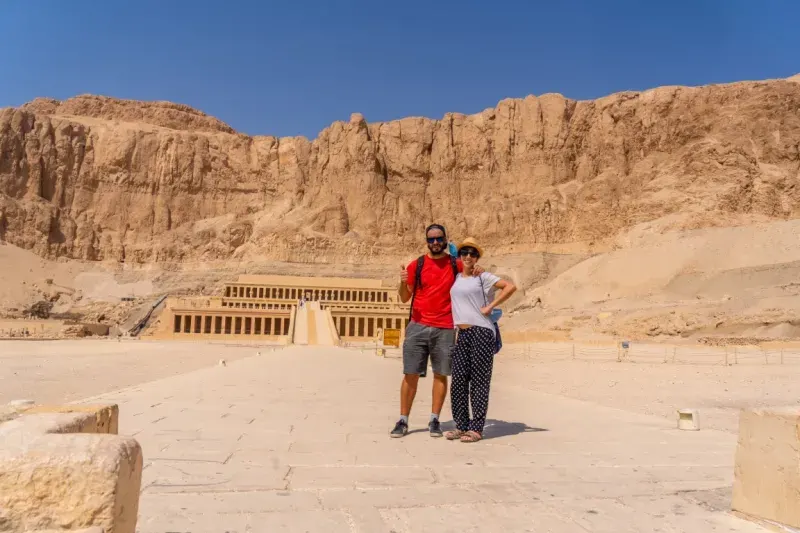
Luxor day tour featuring the Valley of the Kings, Karnak Temple, and the Temple of Hatshepsut. Private small group, German-speaking Egyptologist, no shopping stops, and 24/7 support.
From
And if you'd like the full picture of what a day in Luxor looks like, our guide to the Luxor day trip from Hurghada walks you through the whole thing, hour by hour.
Quick Checklist to Screenshot Before You Go
Pop this on your phone and thank us later:
Book excursions in advance with an operator that publishes a full inclusions list.
Get a written confirmation with pickup time, vehicle type and price.
Ask directly: "Will there be any shopping stops?" and expect a clear "no".
Agree taxi, camel and photo prices before you accept anything.
Carry small notes and count your change.
Check opening hours yourself; "it's closed today" is rarely true.
Check your government's current travel advice before departure.
Smile, say "la shukran" (no, thank you), and keep walking. It works every time.
Egypt rewards the prepared traveller with an astonishing, generous, unforgettable trip. Do your homework, book smart, and the biggest surprise of your holiday will be how little there was to worry about.